Inheritance Tax for Couples: Transferable Bands and the £1 Million Allowance

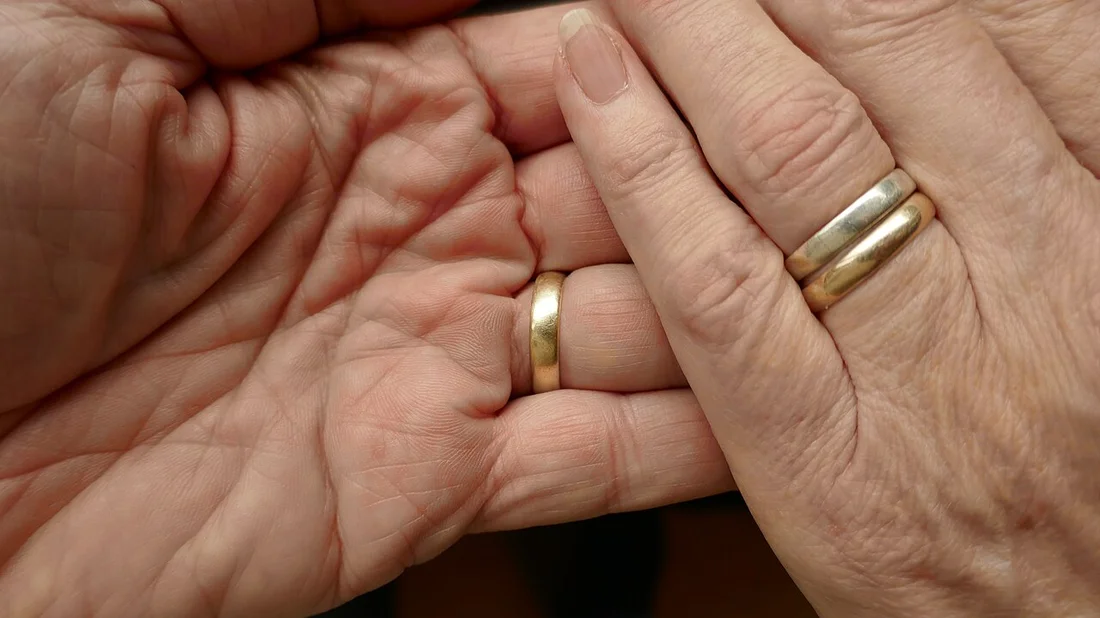
Married couples and civil partners are treated very differently from everyone else by Inheritance Tax. Transfers between them are exempt without limit, and any unused tax-free bands from the first death can be transferred to the survivor — which is how a couple can pass on up to £1,000,000 tax-free. Unmarried couples get none of this, however long they have lived together.
In short
There is normally no Inheritance Tax if everything above the £325,000 threshold is left to a spouse or civil partner. Any unused nil-rate band transfers to the survivor, so the combined nil-rate band can be up to £650,000, and any unused residence nil-rate band transfers too, so the combined residence band can be up to £350,000. Where a home passes to direct descendants, a couple can pass on up to £1,000,000 tax-free.
The spouse exemption
There is normally no Inheritance Tax to pay if everything above the £325,000 threshold is left to a spouse, civil partner, a charity or a community amateur sports club. Gifts between spouses or civil partners during life are also exempt without limit, as long as they live in the UK permanently and are legally married or in a civil partnership. From 6 April 2025, Inheritance Tax is determined by long-term UK residence rather than domicile; the spouse exemption applies in full where the surviving spouse or civil partner is a long-term UK resident.
Transferable nil-rate band
If a person is married or in a civil partnership and their estate is worth less than their threshold, any unused threshold can be added to their partner's threshold when they die. Where the estate qualifies for the spouse exemption, the unused proportion of the nil-rate band when the first of the couple dies can be transferred to the surviving spouse or civil partner, so the combined nil-rate band can be up to £650,000.
Transferable residence nil-rate band
Where the residence nil-rate band is not fully used, the unused proportion can be transferred to the surviving spouse or civil partner; the combined residence band can be up to £350,000. Qualifying estates have been able to pass on up to £500,000 for one person and, where the nil-rate band and residence nil-rate band remain unused, the surviving spouse or civil partner can pass on up to £1 million without an Inheritance Tax liability.
The £1 million figure — "up to", with conditions
The transfer is a proportion of the band unused, applied at the band's value when the second death occurs — so the £1 million figure depends on the bands at the second death and on a qualifying home passing to direct descendants. It also needs the estate to be under the £2 million residence-band taper threshold on the second death (see the thresholds guide). The figure is always "up to £1 million", never a guarantee.
The transferable £2.5 million business and agricultural allowance
Any unused amount of the £2.5 million 100%-relief allowance for business and agricultural property can transfer to a surviving spouse or civil partner from 6 April 2026. If the first death was before 6 April 2026, the full £2.5 million is assumed available for transfer. The business and agricultural relief guide has the detail.
Unmarried couples
There is no spouse exemption and no transferable band between cohabiting partners, however long they have lived together. GOV.UK frames the exemption around spouses and civil partners only. For unmarried couples, each partner's estate is assessed on its own £325,000 nil-rate band, and a home left to the other partner counts towards the estate in the ordinary way.
Related guides
Sources: GOV.UK, How Inheritance Tax works: thresholds, rules and allowances; GOV.UK, Inheritance Tax nil-rate band and residence nil-rate band thresholds from 6 April 2026 to 5 April 2028; GOV.UK, Agricultural property relief and business property relief changes.