Inheritance Tax Planning: Gifts, Exemptions, and the £3,000 Annual Exemption

Some gifts never enter the Inheritance Tax system at all. The exemptions in this guide take gifts out of tax straight away, with no 7-year wait — the £3,000 annual exemption, small gifts, wedding gifts, regular gifts from surplus income, and unlimited gifts to a spouse or charity. This is information about how the rules work, not advice about what to do. Anything complex is a matter for a solicitor or tax adviser.
In short
£3,000 of gifts can be given away each tax year without them being added to the value of the estate, and any unused annual exemption can be carried forward one tax year — so up to £6,000 in a year where the previous year's allowance was unused. Small gifts of up to £250 per person, wedding gifts, and regular gifts from surplus income are also exempt. Gifts to a spouse, civil partner or charity are exempt without limit.
The £3,000 annual exemption
£3,000 of gifts can be given away each tax year without them being added to the value of the estate. The £3,000 can go to one person or be split between several people. Any unused annual exemption can be carried forward to the next tax year — but only for one tax year. So in a year where the previous year's allowance was unused, up to £6,000 can be given away under this exemption. Exempt gifts never enter the 7-year count.
Small gifts: £250 per person
As many gifts of up to £250 per person as wanted can be given each tax year, as long as another allowance has not been used on the same person. The small-gift allowance and the annual exemption cannot both be used for the same person in the same year.
Wedding and civil partnership gifts
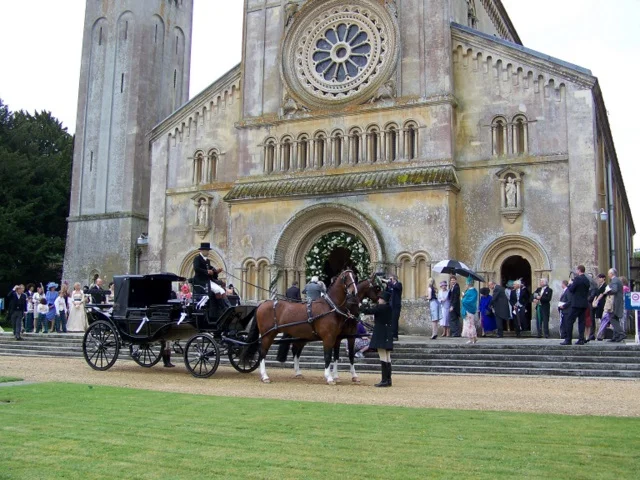
Gifts made on the occasion of a wedding or civil partnership are exempt up to £5,000 to a child, £2,500 to a grandchild or great-grandchild, and £1,000 to any other person. A wedding gift allowance can be combined with any other allowance except the small gift allowance.
Regular gifts from surplus income
Regular payments — for example help with living costs — have no limit, as long as the giver can afford the payments after meeting their usual living costs and pays from regular monthly income. This is the "normal expenditure out of income" exemption. It is the only exemption with no fixed amount, and it depends on a pattern of regular giving from income rather than capital.
Gifts to a spouse, civil partner or charity
There is no Inheritance Tax on gifts between spouses or civil partners — as much as wanted during a lifetime, as long as they live in the UK permanently and are legally married or in a civil partnership. There is no Inheritance Tax on gifts to charities or political parties either. And gifts to a UK charity do double work: they are exempt, and leaving at least 10% of the net estate to charity reduces the rate on the rest from 40% to 36% — see the first guide.
Record-keeping
Keep records of what was given, to whom, and its value when given — the person dealing with the estate will need them. The 7-year rule guide explains what happens to gifts that are not covered by an exemption: they are potentially exempt transfers, and they only become fully exempt after seven years.
Sources: GOV.UK, How Inheritance Tax works: thresholds, rules and allowances.