Inheritance Tax on Property and the Family Home
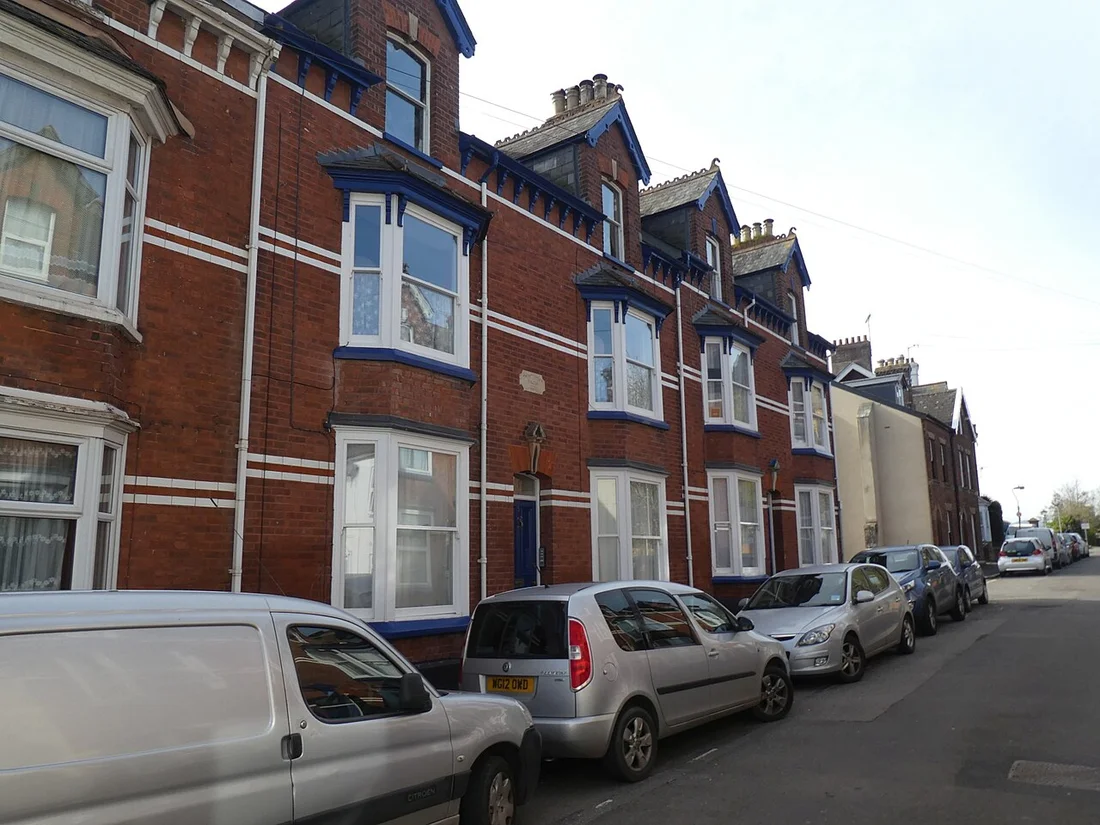
For most families, the home is the largest thing in the estate — and the part that causes the most confusion. The home counts towards the value of the estate, but how it is treated depends on who it goes to, whether it was given away during life, and whether the residence nil-rate band applies. This guide covers the home only; the paying guide covers how tax on property can be paid in instalments.
In short
A home can pass to a husband, wife or civil partner on death with no Inheritance Tax to pay. If it is left to children or grandchildren and the estate is worth less than £2 million, the tax-free threshold can rise to £500,000. A home given away during life is normally free of tax if the giver moves out and lives for another 7 years. Tax on property that takes time to sell can be paid in equal annual instalments over 10 years.
The home in the estate
A home counts towards the value of the estate at its open market value at the date of death — the probate value. If the home is left to someone other than a spouse or civil partner in a will, it counts towards the value of the estate in the ordinary way. If it is left to a spouse or civil partner, no tax is due on it at all, under the spouse exemption.
Leaving the home to children
If the deceased owned a home (or a share in it), the tax-free threshold can increase to £500,000 if the home is left to children (including adopted, foster or stepchildren) or grandchildren, and the estate is worth less than £2 million. That is the £325,000 nil-rate band plus the £175,000 residence nil-rate band. The thresholds guide explains the residence band in full, including the taper above £2 million and the downsizing addition.
Giving the home away during life
Giving away a home before death is normally free of Inheritance Tax if the giver moves out and lives for another 7 years — the ordinary 7-year rule for gifts. But if the giver keeps living in the home, it is a gift with reservation unless they pay rent at the going rate and a share of the bills. Without that, the home still counts towards the estate even though it was "given away".
Which homes qualify
The deceased must have lived in the property at some point for it to qualify for the residence nil-rate band. A rental property that was never occupied does not qualify. The detail is in HMRC's residence nil-rate band guidance — this guide keeps only the outline and points readers to GOV.UK.
Paying the tax on a home
Tax on a home does not have to be paid in one lump sum before the home is sold. Inheritance Tax on property that may take time to sell can be paid in equal annual instalments over 10 years, with the first instalment due at the end of the sixth month after the death. The paying guide has the full instalment rules, including the interest-free instalments for property that qualifies for agricultural or business relief from 6 April 2026.
Related guides
Sources: GOV.UK, How Inheritance Tax works: thresholds, rules and allowances; GOV.UK, Pay your Inheritance Tax bill.