The Nil-Rate Band and Residence Nil-Rate Band: £325,000 + £175,000
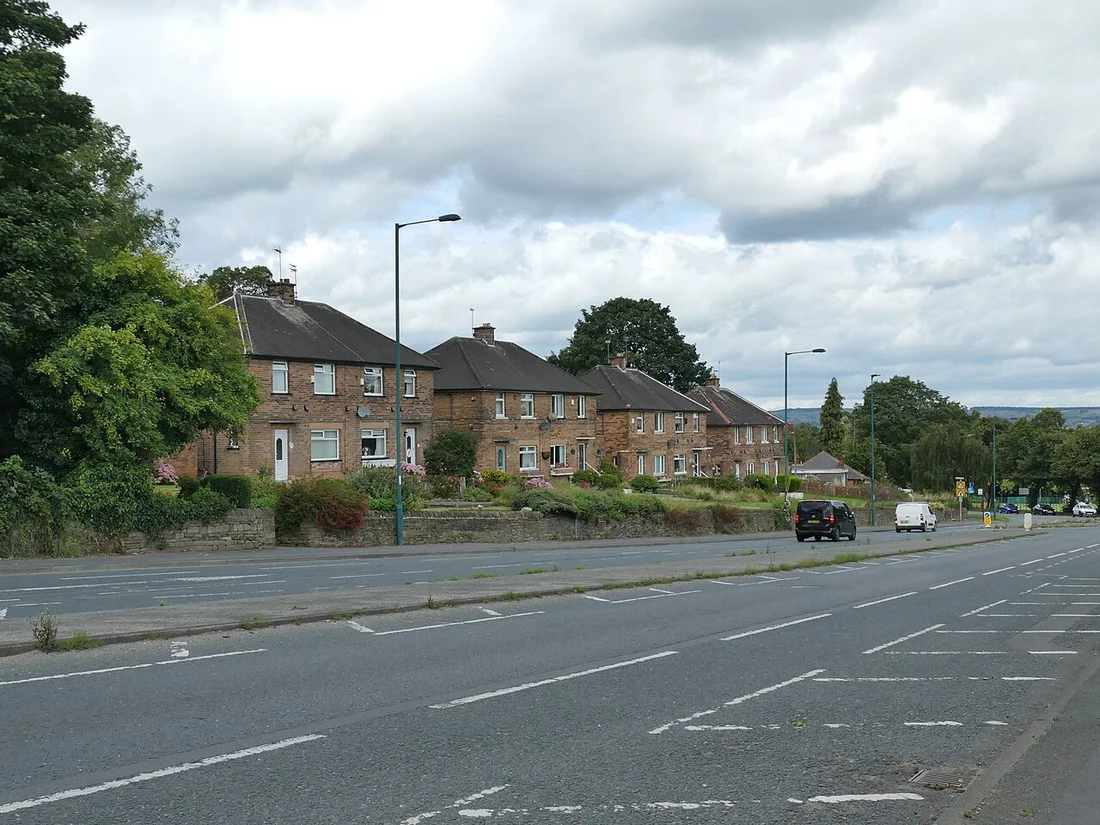
Two tax-free bands decide whether an estate pays Inheritance Tax, and how much. The first — the nil-rate band — belongs to everyone and covers any kind of asset. The second — the residence nil-rate band — is extra, and it applies only where a home passes to direct descendants. Together they are the reason a single person can pass on up to £500,000 tax-free, and a couple up to £1,000,000.
In short
The nil-rate band is £325,000 per person, available against any assets. The residence nil-rate band adds up to £175,000 where a home passes to direct descendants. A single person can therefore pass on up to £500,000 tax-free, and a surviving spouse or civil partner with unused bands transferred can pass on up to £1,000,000. The residence band shrinks by £1 for every £2 of estate value above £2,000,000.
The nil-rate band: £325,000
The nil-rate band is £325,000 per person, available against all asset types on death. It can also be used for lifetime chargeable transfers of up to £325,000 within a 7-year period. The band has been fixed at £325,000 since 2009/10 and is frozen until 5 April 2031. It is the band that matters for every estate, whether or not a home is involved.
The residence nil-rate band: up to £175,000
The residence nil-rate band is up to £175,000, available to those passing on a qualifying residence on death to their direct descendants — children (including adopted, foster or stepchildren) and grandchildren. The home can also pass to a spouse or civil partner tax-free, but that uses the spouse exemption, not the residence band. The residence band was introduced in 2017/18 at £100,000 and rose by £25,000 a year to £175,000 in 2020/21, where it has stayed.
£500,000 and £1,000,000
A single person leaving a home to direct descendants can pass on up to £500,000 (£325,000 + £175,000) without Inheritance Tax. A surviving spouse or civil partner with unused bands transferred can pass on up to £1,000,000 — the combined nil-rate bands of up to £650,000 plus the combined residence bands of up to £350,000. The couples guide explains how the transfer works. Both figures are "up to": they need a qualifying home passing to direct descendants, and the estate to be under the taper threshold described below.
The £2 million taper
The residence nil-rate band is reduced by £1 for every £2 that the net value of the estate is more than £2 million. The arithmetic follows from that rule: a single person's full £175,000 band is lost entirely once the estate reaches £2,350,000 (£2,000,000 + 2 × £175,000). For a couple with a transferred residence band of £350,000, it is lost at £2,700,000. These are worked arithmetic from the taper rule, not separate GOV.UK figures.
Downsizing
People who sold their home or moved to a smaller property on or after 8 July 2015 are not automatically shut out of the residence band. A downsizing addition can preserve it where the former home would have qualified and at least some of the estate passes to direct descendants. The detail is on GOV.UK's page "How downsizing, selling or gifting a home affects the residence nil rate band" — this guide keeps only the outline.
Only on death
The residence nil-rate band is not available against lifetime gifts. It applies only on death, when a home passes to direct descendants. A home given away during life is dealt with under the 7-year gift rules instead — see the 7-year rule guide and the property guide.
Sources: GOV.UK, How Inheritance Tax works: thresholds, rules and allowances; GOV.UK, Inheritance Tax nil-rate band and residence nil-rate band thresholds from 6 April 2026 to 5 April 2028.